

Understanding the Impacts of a Temporary Halt in UK Horse Racing
Horse racing in the UK has always been one of the most celebrated sports, drawing in fans and participants alike. However, with the recent *non GamStop horse racing* interruptions due to various factors, the atmosphere around the sport has changed dramatically. This article aims to reflect on the implications of this hiatus, the reasons behind it, and what it means for the future of horse racing in the UK.
The Rich History of UK Horse Racing
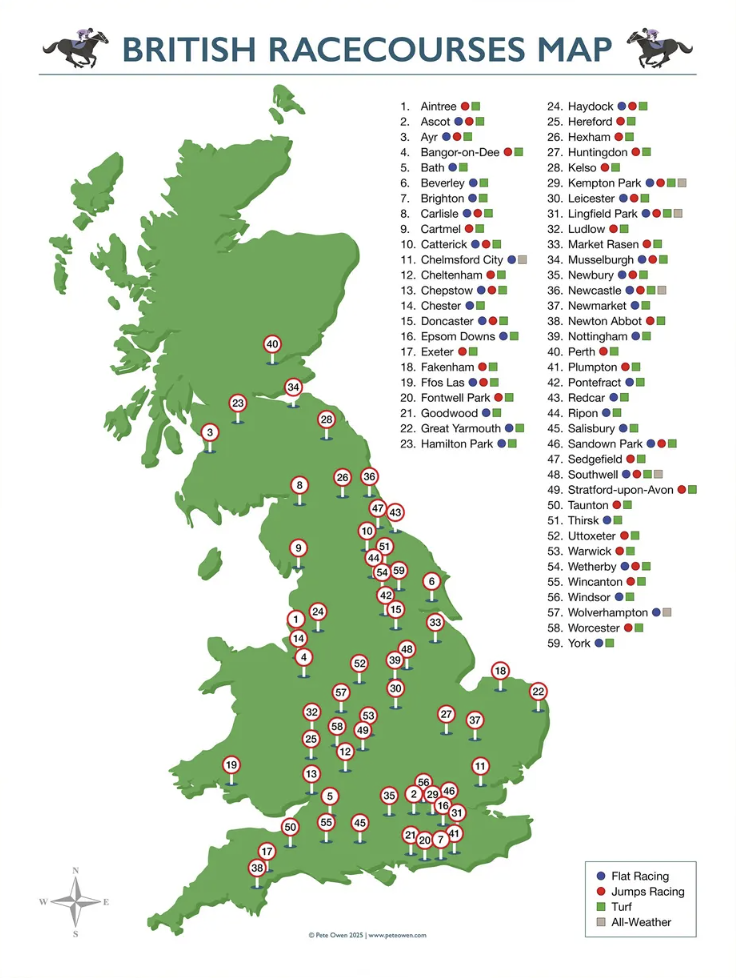
Horse racing has deep roots in British culture, dating back hundreds of years. It has evolved into various forms, including flat racing, jump racing, and harness racing. Tracks like Ascot, Aintree, and Epsom Downs have become synonymous with the sport, hosting events that attract not only local spectators but also international followers. The Grand National and the Derby are not just races; they are events steeped in tradition that resonate with the national identity.
Reasons for Current Interruptions in Racing
The unexpected disruptions to horse racing in the UK have been caused by a myriad of factors. Among them are:
- Weather Conditions: Unpredictable and extreme weather patterns can lead to race cancellations or postponements. Heavy rain can affect the track conditions, making them unsafe for the horses.
- Health Crises: The recent global health crisis has imposed restrictions on public gatherings, leading to the closure of numerous racing events. Health protocols were established to protect the horses and the personnel involved.
- Economic Factors: The financial landscape of racing has seen shifts due to various economic pressures. With sponsorships and public attendance fluctuating, maintaining a consistent racing schedule has become challenging.
The Impact on Stakeholders
When racing is paused, the implications are felt by various stakeholders:
- Jockeys and Trainers: For jockeys and trainers, a break in racing schedules translates to a loss of income and potential career setbacks. Training regimens are disrupted, and the lack of competition can hinder their skills and exposure.
- Owners: Horse owners are similarly affected. The financial investment made in their animals can feel futile without racing opportunities. This may lead to financial strain and tough decisions about the future of their horses.
- Spectators: For fans of the sport, a lack of racing events can be disheartening. The thrill of betting and watching events unfold is something many people look forward to throughout the year.
Potential Future for UK Horse Racing
Despite the setbacks, there are reasons for optimism regarding the future of horse racing in the UK. Stakeholders across the industry are actively looking for ways to adapt and rebuild. This includes:
- Implementing Health and Safety Protocols: Established guidelines will remain in place to ensure the safety of everyone involved, allowing racing to resume as soon as possible.
- Innovative Racing Formats: The industry may explore new racing formats that can be more resilient to interruptions, potentially incorporating virtual racing or cross-disciplinary competitions.
- Engaging with Fans: Increased online engagement and digital betting options may attract a new audience, as punters search for alternative experiences in horse racing even when live events are paused.
Conclusion
While the current state of UK horse racing has its challenges, the passionate community surrounding it remains hopeful. Adaptation, resilience, and innovation will be key in navigating these uncertain times. As the world gradually normalizes, the return of horse racing promises not only the renewal of a beloved pastime but also a celebration of heritage, sport, and community. For many, the very essence of British culture is tied intricately to the thundering hooves of horses racing around the tracks, and this tradition will endure, no matter the challenges faced along the way.